
Sports and Games
Sports and games have always been among the most popular free-time activities of people all over the world. From ancient times to the modern era, people have used sport not only as a form of entertainment but also as a way to improve physical fitness, develop discipline, and strengthen social bonds. The popularity of sport explains why there are so many different competitions, tournaments, leagues, and championships organized every year on local, national, and international levels. Sport is an important part of culture and everyday life, and for many people it represents a passion, a hobby, or even a profession.
Sports can be classified according to several main criteria. The most common ways of classification are based on the number of participants, the place where the sport is performed, the season of the year, and the level of risk involved. Each type of sport has its own specific characteristics and attracts different kinds of people with different abilities, interests, and goals.
One of the most important factors is the number of participants. From this point of view, sports can be divided into individual sports and collective (team) sports. Individual sports are performed by one person who competes either against other individuals, against himself, or against time. These sports require a high level of concentration, self-discipline, strong will power, and personal responsibility, because the final result depends only on the athlete himself.
Typical examples of individual sports include gymnastics, swimming, jogging, cycling, skiing, skating, figure skating, weightlifting, and tennis. A very important group of individual sports is athletics, which includes many disciplines such as sprinting, middle-distance and long-distance running, hurdle races, high jump, long jump, triple jump, pole vault, javelin throw, discus throw, shot put, and the marathon. Athletes in these disciplines must train regularly and systematically to improve their speed, strength, technique, and endurance.

On the other hand, collective sports, also known as team sports or games, are played by two teams competing against each other. These sports are based on cooperation, communication, and team spirit. Every player has a specific role and responsibility, and success depends on how well the team works together. Fair play is a very important principle in team sports, and games are controlled by referees or umpires who ensure that rules are followed. Some of the most popular team sports worldwide are football, basketball, volleyball, handball, ice hockey, baseball, rugby, and cricket. In many European countries, football and ice hockey are extremely popular, attracting millions of fans. Team sports not only improve physical fitness but also teach players important social skills such as cooperation, tolerance, respect for rules, and the ability to accept both victory and defeat.
Another important criterion for classifying sports is the place where they are performed. Sports can be divided into outdoor and indoor sports. Outdoor sports are played outside, usually on sports grounds, pitches, courts, tracks, or in natural environments. Typical outdoor sports include football, athletics, cycling, tennis, golf, skiing, and snowboarding. Outdoor sports are often influenced by weather conditions, which can make them more challenging and exciting. Indoor sports, on the other hand, are performed inside sports halls, gyms, fitness centres, or indoor swimming pools. Examples include gymnastics, table tennis, badminton, martial arts, bodybuilding, and basketball played in a sports hall. Some sports, such as swimming, volleyball, or basketball, can be done both indoors and outdoors, depending on the facilities and season.
The season of the year is another factor that helps classify sports. Summer sports are usually practiced in warm weather and include swimming, diving, windsurfing, canoeing, rowing, athletics, football, and cycling. These sports are often associated with outdoor activities and holidays. Winter sports, in contrast, require cold weather, snow, or ice. They include ice skating, figure skating, ice hockey, skiing, cross-country skiing, biathlon, and snowboarding. Winter sports are very popular in countries with mountains and long winters and are often connected with winter resorts and tourism.

A special category of sports that has become increasingly popular in recent decades is extreme sports. These sports are attractive mainly to people who seek adventure, excitement, and an adrenaline rush. Extreme sports are often risky and dangerous, as they involve great speed, height, or physical challenge. Examples include rock climbing, mountain biking, skydiving, paragliding, bungee jumping, snowboarding in extreme conditions, and surfing. Participants in extreme sports must be very well prepared and aware of the risks involved, as injuries can be serious or even fatal.
Most people participate in sports and games for recreational reasons. They do sports mainly for fun, relaxation, pleasure, and to keep fit and healthy. Sport is an important part of a healthy lifestyle, and parents are right to encourage their children to be physically active from an early age. Regular physical activity has many positive effects on both physical and mental health.
Firstly, sport has a very positive influence on physical health. It helps maintain a healthy body weight, strengthens muscles and bones, improves coordination and flexibility, and supports the cardiovascular system. Regular exercise reduces the risk of so-called civilisation diseases, which are typical for modern society and caused by lack of movement and unhealthy lifestyle. These diseases include obesity, overweight, diabetes, high blood pressure, and heart diseases. Sport also strengthens the immune system and helps the body cope better with illness.
Secondly, sport is extremely important for mental health and psychological well-being. Physical activity helps reduce stress, anxiety, and depression. When people exercise, their bodies release endorphins, which are natural hormones that improve mood and create a feeling of happiness and relaxation. Sport is a very effective way to release tension, forget everyday problems, and relax after a hard day at school or work. It helps people sleep better and improves concentration and memory.
Thirdly, sport plays an important role in developing personal qualities and character. Through training and competition, people learn discipline, patience, persistence, and responsibility. Sport increases stamina, which means physical and mental endurance, and strengthens will power, the ability to continue even when things are difficult. Athletes learn how to set goals, work hard to achieve them, and cope with failure. These skills are very useful not only in sport but also in everyday life, education, and future careers.
Sport also has strong social benefits. It is a great way to meet new people, make friends, and feel part of a group or community. Team sports especially teach cooperation, communication, and respect for others. Sport can connect people of different ages, social backgrounds, and nationalities, and it often helps break down social barriers. Sporting events bring people together as players, fans, or spectators and create a sense of shared experience and belonging.
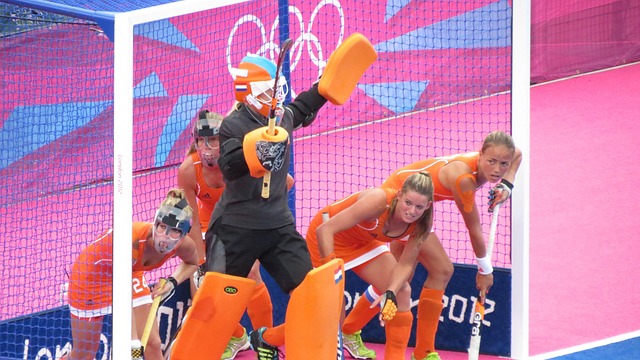
While most people do sport as amateurs, some decide to become professional sportsmen or sportswomen. A professional sports career usually requires starting training at a very young age and dedicating most of one’s life to sport. Professional athletes compete in national and international competitions, including world championships and the Olympic Games, which are held every four years. The Olympic Games are one of the most important sporting events in the world, symbolizing international cooperation, friendship, and peace. The five interlocking Olympic rings represent the unity of the five continents, and the famous Olympic motto says: “It is not important to win, but to participate.”
Being a professional athlete can bring fame, popularity, respect, and high financial rewards. However, it also has many disadvantages. Professional athletes must follow a very strict lifestyle, including a balanced diet, regular training, and sufficient rest. They train daily and often sacrifice their free time, family life, and privacy. There is also a high risk of injuries, which can suddenly end a promising career. Moreover, professional athletes are often under great pressure from the public, media, sponsors, and fans. After retiring, usually in their thirties or forties, many former athletes become coaches, trainers, or sports commentators.
In conclusion, sport plays a very important role in modern society. It improves physical and mental health, develops character, and brings people together. Whether practiced recreationally or professionally, sport is a valuable part of human life and contributes significantly to personal happiness and social well-being.

Obrázky použité na tejto stránke sú čerpané zo stránky:
pixabay.com